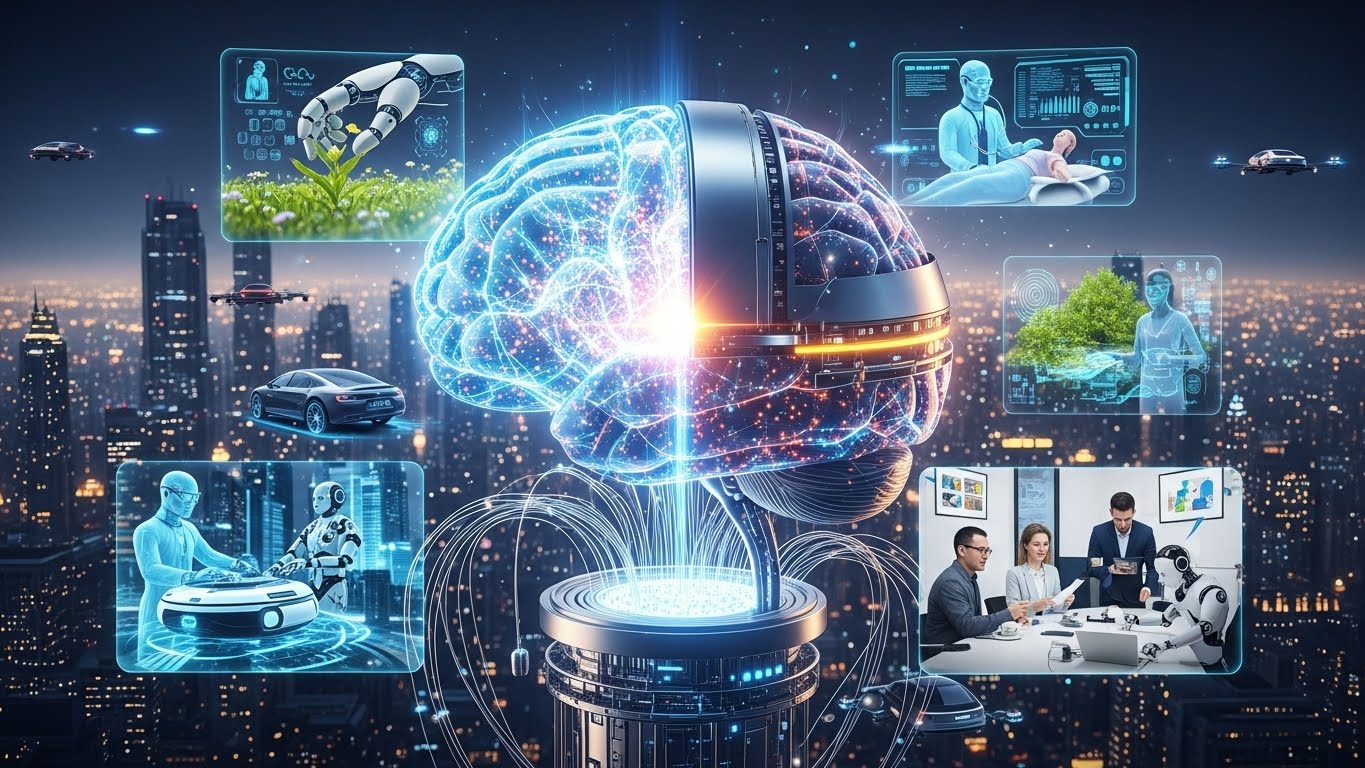
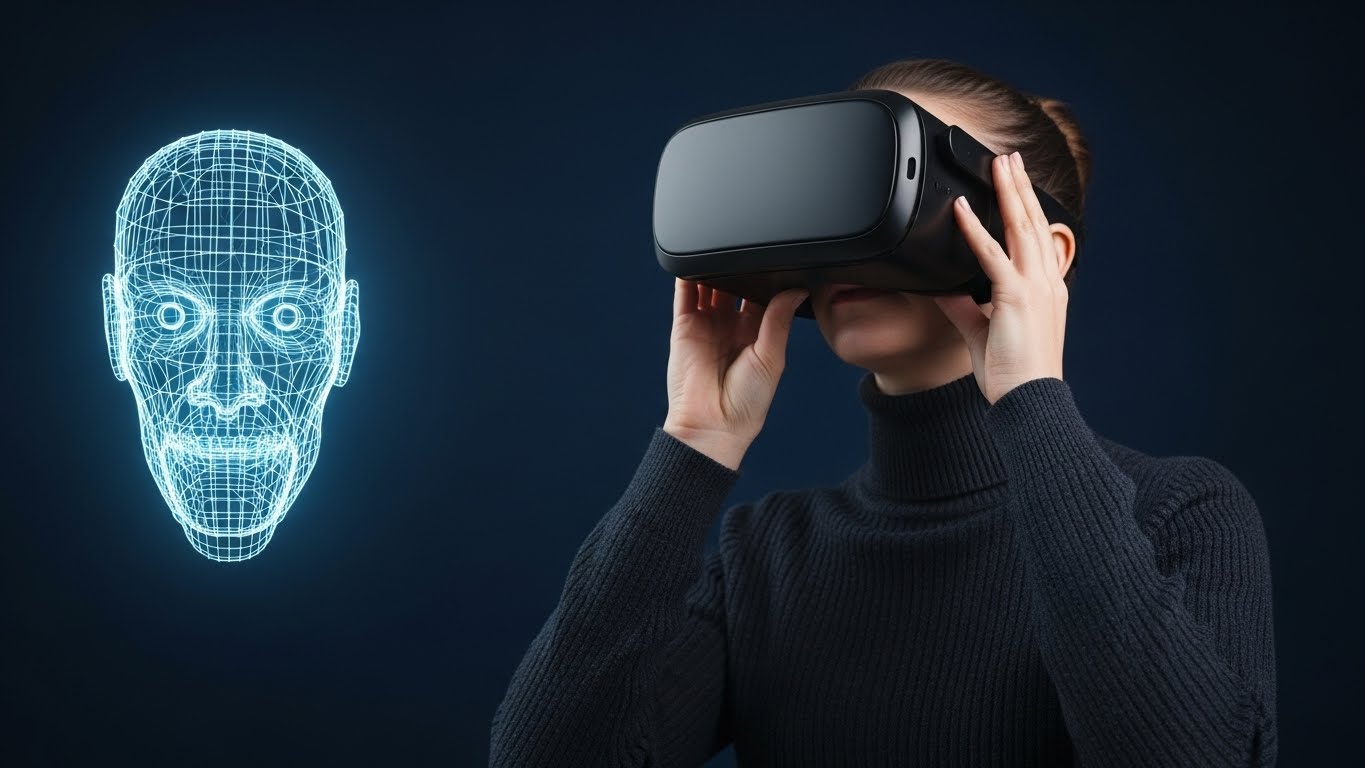
In the rapidly evolving digital world, Virtual Reality or Artificial Intelligence Technology has become a central topic of discussion for businesses, educators, and innovators. These two advanced technologies are shaping how humans interact with machines, data, and digital environments. While both aim to enhance human experiences through technology, Virtual Reality or Artificial Intelligence Technology differs significantly in purpose, functionality, and real-world application. Understanding their roles, benefits, and future potential helps individuals and organizations make informed decisions in an increasingly tech-driven society.
Understanding Virtual Reality or Artificial Intelligence Technology
To fully grasp Virtual Reality or Artificial Intelligence Technology, it is essential to understand what each technology represents. Virtual Reality focuses on creating immersive digital environments that users can experience visually and physically. Artificial Intelligence, on the other hand, emphasizes intelligent systems capable of learning, reasoning, and decision-making.
Virtual Reality or Artificial Intelligence Technology is not about choosing one over the other, but rather understanding how both technologies complement and compete within modern innovation ecosystems. Their combined influence is transforming industries ranging from healthcare to entertainment and marketing to manufacturing.
How Virtual Reality or Artificial Intelligence Technology Works
The working principles of Virtual Reality or Artificial Intelligence Technology are fundamentally different. Virtual Reality relies on hardware such as headsets, sensors, and motion controllers to simulate real-world or fictional environments. Artificial Intelligence depends on algorithms, machine learning models, and data processing systems to mimic human intelligence.
The table below explains the core working mechanisms within Virtual Reality or Artificial Intelligence Technology:
| Technology Type | Core Functionality | Key Components |
|---|---|---|
| Virtual Reality | Immersive digital simulation | Headsets, sensors, 3D environments |
| Artificial Intelligence | Intelligent decision-making | Algorithms, data, neural networks |
This distinction highlights how Virtual Reality or Artificial Intelligence Technology serves different purposes while contributing to digital transformation.
Applications of Virtual Reality or Artificial Intelligence Technology
The practical use of Virtual Reality or Artificial Intelligence Technology continues to expand across multiple industries. Virtual Reality is widely used for simulations, training, gaming, and virtual tours. Artificial Intelligence supports automation, predictive analytics, personalized recommendations, and smart assistants.
Organizations increasingly integrate Virtual Reality or Artificial Intelligence Technology to improve efficiency and user engagement. For example, Virtual Reality enhances hands-on learning experiences, while Artificial Intelligence optimizes operational workflows.
Virtual Reality or Artificial Intelligence Technology in Healthcare
Healthcare is one of the most impactful sectors benefiting from Virtual Reality or Artificial Intelligence Technology. Virtual Reality is used for surgical simulations, patient therapy, and medical training. Artificial Intelligence assists in disease diagnosis, image analysis, and personalized treatment planning.
The combination of Virtual Reality or Artificial Intelligence Technology improves patient outcomes while reducing risks and costs. Medical professionals can train in realistic environments while AI-driven tools analyze vast amounts of patient data with high accuracy.
Virtual Reality or Artificial Intelligence Technology in Education
Education systems worldwide are embracing Virtual Reality or Artificial Intelligence Technology to enhance learning experiences. Virtual Reality creates immersive classrooms that allow students to explore historical sites or scientific concepts interactively. Artificial Intelligence personalizes learning paths based on individual performance and behavior.
Below is a table illustrating educational benefits within Virtual Reality or Artificial Intelligence Technology:
| Educational Aspect | Virtual Reality Benefit | Artificial Intelligence Benefit |
|---|---|---|
| Learning Experience | Immersive visualization | Personalized content delivery |
| Student Engagement | High interaction | Adaptive learning support |
| Skill Development | Practical simulations | Data-driven assessments |
This demonstrates how Virtual Reality or Artificial Intelligence Technology supports modern educational innovation.
Business Impact of Virtual Reality or Artificial Intelligence Technology
Businesses leverage Virtual Reality or Artificial Intelligence Technology to gain competitive advantages. Virtual Reality is used in product demonstrations, virtual showrooms, and employee training. Artificial Intelligence supports customer service automation, demand forecasting, and data-driven decision-making.
By adopting Virtual Reality or Artificial Intelligence Technology, companies improve customer engagement and operational efficiency. These technologies enable businesses to understand consumer behavior more effectively and respond faster to market changes.
Virtual Reality or Artificial Intelligence Technology in Marketing
Marketing strategies have evolved significantly due to Virtual Reality or Artificial Intelligence Technology. Virtual Reality allows brands to create immersive storytelling experiences that emotionally connect with audiences. Artificial Intelligence analyzes customer data to deliver targeted and personalized marketing campaigns.
The integration of Virtual Reality or Artificial Intelligence Technology in marketing increases brand recall, conversion rates, and customer satisfaction. Marketers can now combine creativity with intelligence-driven insights for better results.
Ethical Considerations in Virtual Reality or Artificial Intelligence Technology
As adoption grows, ethical concerns surrounding Virtual Reality or Artificial Intelligence Technology become more important. Virtual Reality raises issues related to psychological effects and data privacy. Artificial Intelligence introduces concerns about bias, transparency, and job displacement.
Addressing these ethical challenges is critical for responsible innovation. Developers and policymakers must ensure that Virtual Reality or Artificial Intelligence Technology is designed and implemented with fairness, accountability, and user safety in mind.
Future Trends in Virtual Reality or Artificial Intelligence Technology
The future of Virtual Reality or Artificial Intelligence Technology looks promising and interconnected. Virtual Reality is moving toward more realistic and affordable experiences through advanced hardware. Artificial Intelligence continues to evolve with deep learning, natural language processing, and autonomous systems.
Emerging trends suggest that Virtual Reality or Artificial Intelligence Technology will increasingly merge, creating intelligent virtual environments that respond dynamically to user behavior. This convergence will redefine entertainment, workspaces, and social interaction.
Virtual Reality or Artificial Intelligence Technology and Workforce Transformation
The workforce is undergoing significant changes due to Virtual Reality or Artificial Intelligence Technology. Virtual Reality enhances skill training through simulated work environments. Artificial Intelligence automates repetitive tasks and supports decision-making roles.
Rather than replacing jobs entirely, Virtual Reality or Artificial Intelligence Technology is reshaping job roles and creating demand for new skill sets. Continuous learning and adaptability are essential for professionals navigating this transformation.
Challenges in Adopting Virtual Reality or Artificial Intelligence Technology
Despite its benefits, adopting Virtual Reality or Artificial Intelligence Technology presents challenges. High implementation costs, technical complexity, and data security concerns can slow adoption. Additionally, organizations may face resistance due to lack of technical expertise.
Overcoming these challenges requires strategic planning, employee training, and ethical governance. Successful implementation of Virtual Reality or Artificial Intelligence Technology depends on aligning technological goals with business objectives.