In today’s digital era, Computer games in Marketing have transformed the way brands connect with audiences. Instead of relying solely on traditional advertisements, businesses now integrate interactive gaming experiences to attract, engage, and retain customers. From immersive simulations to competitive online environments, Computer games in Marketing provide marketers with innovative storytelling opportunities and powerful data insights. This article explores how Computer games in Marketing are reshaping brand strategies and highlights the top ten computer games that are widely recognized for their marketing potential and influence.
Understanding the Role of Computer Games in Marketing
The rise of Computer games in Marketing is not accidental. Games combine entertainment, psychology, and technology, making them a powerful medium for influencing consumer behavior. Unlike passive advertising, gaming allows users to actively participate, which increases brand recall and emotional engagement.
Computer games in Marketing help companies create memorable brand experiences by placing products, messages, or values directly into gameplay. This approach builds trust and loyalty while offering measurable engagement metrics that marketers can analyze for future campaigns.
Why Computer Games in Marketing Are So Effective
One of the main reasons Computer games in Marketing work so well is their ability to hold attention for extended periods. Players spend hours immersed in digital worlds, which gives brands repeated exposure without feeling intrusive. Additionally, games appeal to multiple demographics, from Gen Z to millennials and even older professionals.
Below is a simple table showing how Computer games in Marketing outperform traditional channels in engagement:
| Marketing Channel | Average Engagement Time | User Interaction Level |
|---|---|---|
| TV Advertising | 30 seconds | Low |
| Social Media Ads | 5–10 seconds | Medium |
| Computer Games in Marketing | 20–60 minutes | High |
This comparison clearly shows why marketers are shifting budgets toward gaming-based strategies.
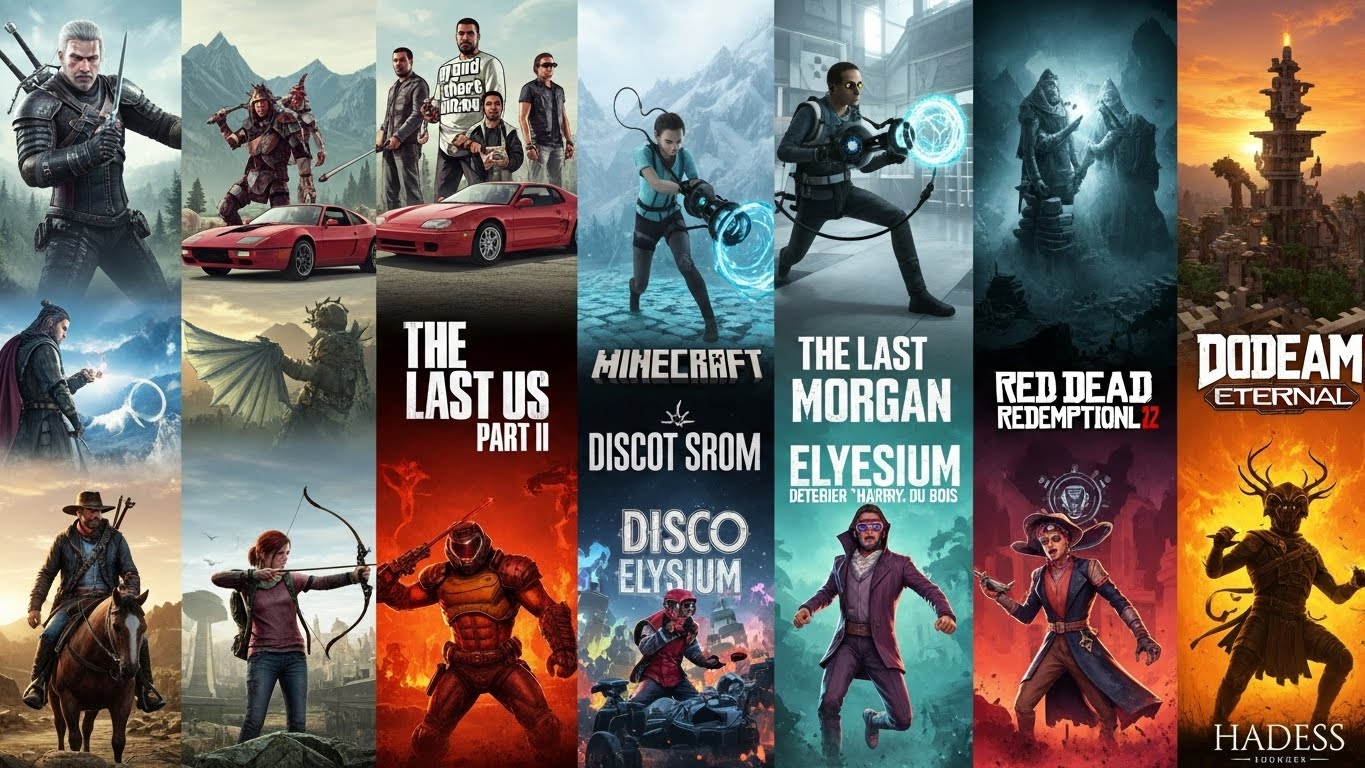
Top 10 Best Computer Games in Marketing Influence
Computer Games in Marketing Through Fortnite
Fortnite stands as one of the most powerful examples of Computer games in Marketing success. Brands like Nike, Marvel, and Travis Scott have collaborated with Fortnite to host virtual events and exclusive in-game items. These campaigns reached millions of players worldwide, proving how Computer games in Marketing can generate massive brand visibility.
Computer Games in Marketing With Minecraft
Minecraft offers endless creative freedom, making it ideal for Computer games in Marketing campaigns. Educational institutions, real estate brands, and global companies use Minecraft to design branded worlds that allow users to explore products in a playful environment. This open-ended interaction increases brand trust and user engagement.
Computer Games in Marketing Using Roblox
Roblox is another strong platform for Computer games in Marketing, especially among younger audiences. Brands create virtual stores, events, and branded mini-games inside Roblox. The game’s user-generated content model allows marketers to build communities rather than just advertisements.
Computer Games in Marketing via The Sims
The Sims has long been a favorite for lifestyle branding. Through in-game product placements and expansions, Computer games in Marketing strategies thrive by integrating real-world brands into everyday virtual life. This subtle approach makes marketing messages feel natural rather than forced.
Computer Games in Marketing and FIFA Series
FIFA is a global sports phenomenon and a key player in Computer games in Marketing. Brands benefit from stadium advertising, team sponsorships, and in-game banners. Because FIFA mirrors real-world football culture, marketing within the game feels authentic and impactful.
Computer Games in Marketing Through Call of Duty
Call of Duty demonstrates how Computer games in Marketing can work even in competitive environments. Brands collaborate on limited-time modes, weapon skins, and esports tournaments. These integrations appeal to highly engaged communities and drive strong brand loyalty.
Computer Games in Marketing Using Animal Crossing
Animal Crossing became a surprising success story in Computer games in Marketing. During global lockdowns, brands used the game to host virtual fashion shows and product launches. Its calm and social gameplay made it perfect for creative and emotional marketing campaigns.
Computer Games in Marketing With League of Legends
League of Legends is central to esports-driven Computer games in Marketing. Sponsorships, branded tournaments, and in-game cosmetics allow companies to reach millions of viewers globally. The game’s competitive nature ensures high engagement and repeated exposure.
Computer Games in Marketing Inside Grand Theft Auto Online
Grand Theft Auto Online offers a satirical but effective environment for Computer games in Marketing. In-game radio ads, billboards, and branded missions provide unique opportunities for storytelling and brand humor that resonate with mature audiences.
Computer Games in Marketing Through Among Us
Among Us proves that simple design can still power Computer games in Marketing. Brands have used the game for themed collaborations and community events. Its social interaction model makes it ideal for viral marketing campaigns.
How Brands Measure Success in Computer Games in Marketing
Measuring the impact of Computer games in Marketing is essential for long-term success. Marketers analyze engagement time, interaction frequency, and conversion rates to evaluate performance.
Here is a table showing common metrics used in Computer games in Marketing campaigns:
| Metric Name | Purpose in Marketing Strategy |
|---|---|
| Session Duration | Measures player engagement |
| Click-Through Rate | Tracks brand interaction |
| Conversion Rate | Shows sales or sign-ups |
| Brand Recall | Evaluates message retention |
These insights allow brands to refine their Computer games in Marketing strategies for better results.
The Future of Computer Games in Marketing
The future of Computer games in Marketing looks promising as technologies like virtual reality, augmented reality, and artificial intelligence continue to evolve. Brands will soon create fully immersive experiences where consumers can interact with products in lifelike digital environments.
As cloud gaming and metaverse platforms grow, Computer games in Marketing will become even more integrated into everyday digital life. Companies that adopt these strategies early will gain a strong competitive advantage.
Challenges in Computer Games in Marketing
Despite its benefits, Computer games in Marketing also comes with challenges. Poorly executed campaigns can feel intrusive and damage brand reputation. Marketers must understand gaming culture and respect player communities to succeed.
Balancing creativity with authenticity is key. When done correctly, Computer games in Marketing feels like entertainment rather than advertising.